
How to Create a Podcast Intro: The Ultimate Guide (Music & Scripts)
When a new listener clicks play on your show, you are in a "try-out" phase. You aren’t safe yet. You have less than a minute to prove you are worth their time.
According to data from NPR One, 20-30% of listeners drop off in the first few minutes if they aren't hooked.
If you bore them with a long backstory or bad audio, they will find the "Skip" button. Once they click that, they are gone forever.
I have analyzed what makes listeners stick (and what makes them leave). I know exactly how to fix those critical first moments.
In this guide, I will show you how to master your first 30 seconds. You will learn how to build trust, create excitement, and turn strangers into fans, before they even think about skipping.
The 3 Main Ingredients of a Great Intro
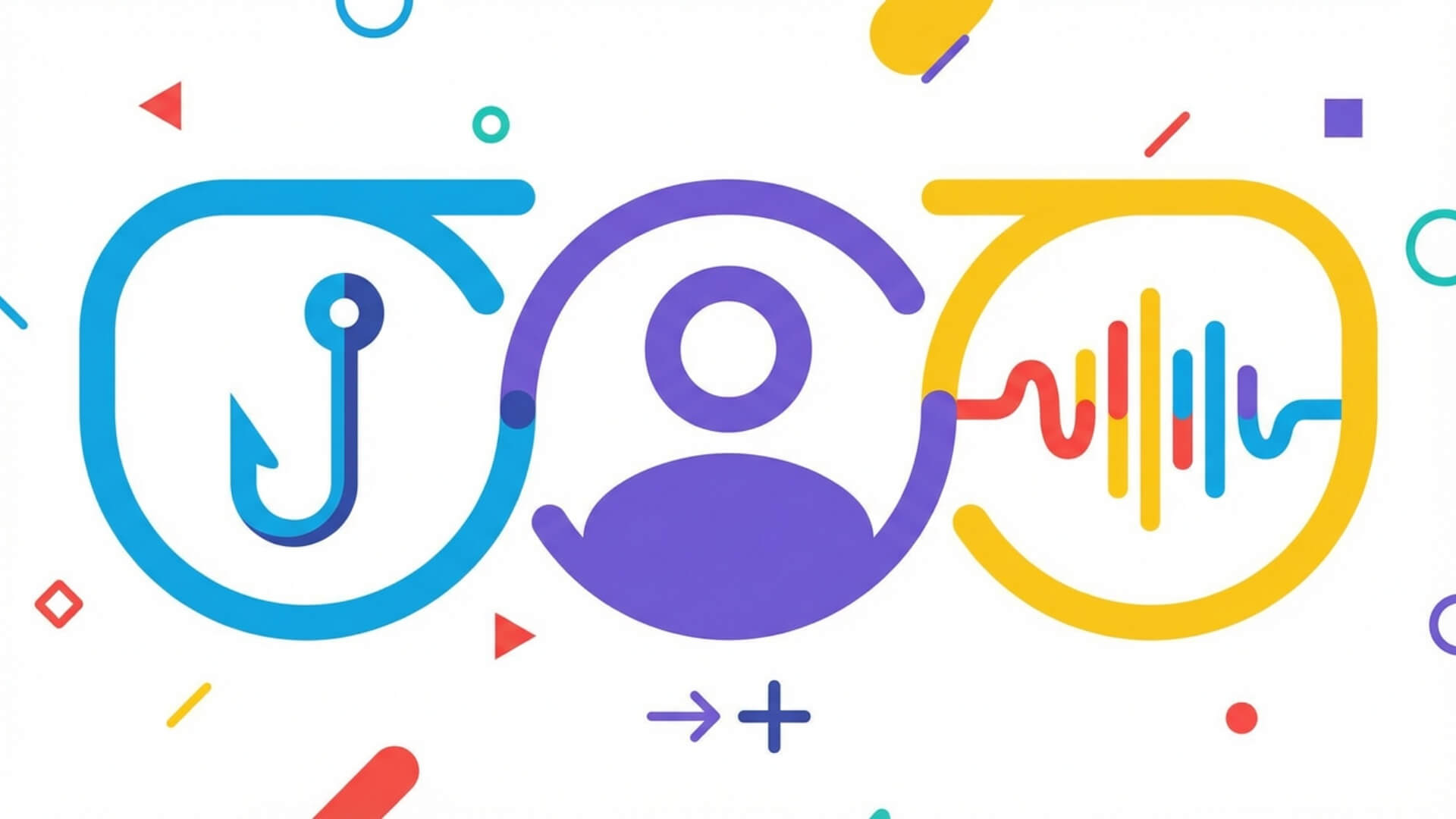
You don't need a complex recipe to make a great intro. You just need three simple ingredients mixed the right way.
1. The Hook (The "Why")
This is the most important part. You must tell the listener exactly what they will get out of the episode.
Focus on the benefit, not the feature.
- Feature: "Today I am talking to a financial planner."
- Benefit: "Today you will learn how to save $500 a month without changing your job."
Do you see the difference? The feature is boring. The benefit solves a problem. Always answer the question your listener is asking: "What is in it for me?"
2. The Identity (The "Who")
Listeners need to know they are in the right place. But be careful, this is where most beginners make a mistake.
They talk about themselves for too long.
Your listener does not care about your college degree or your resume yet. They just want to know who is talking. Keep it fast.
- Say your name.
- Say the podcast name.
- Move on.
Think of it like a handshake. You wouldn't hold a stranger's hand for two minutes while listing your awards. Don't do it here.
3. The Vibe (The Audio)
Theme music tells the listener how to feel.
It sets the mood before you even speak. If you are telling a scary ghost story, you shouldn't use happy ukulele music. If you are doing a serious news show, you shouldn't use heavy metal.
Your music is the "lighting" of your audio room. Make sure it matches the topic.
Now that you have your ingredients, let's look at the two best ways to cook them.
Pick Your Style: Two Ways to Start
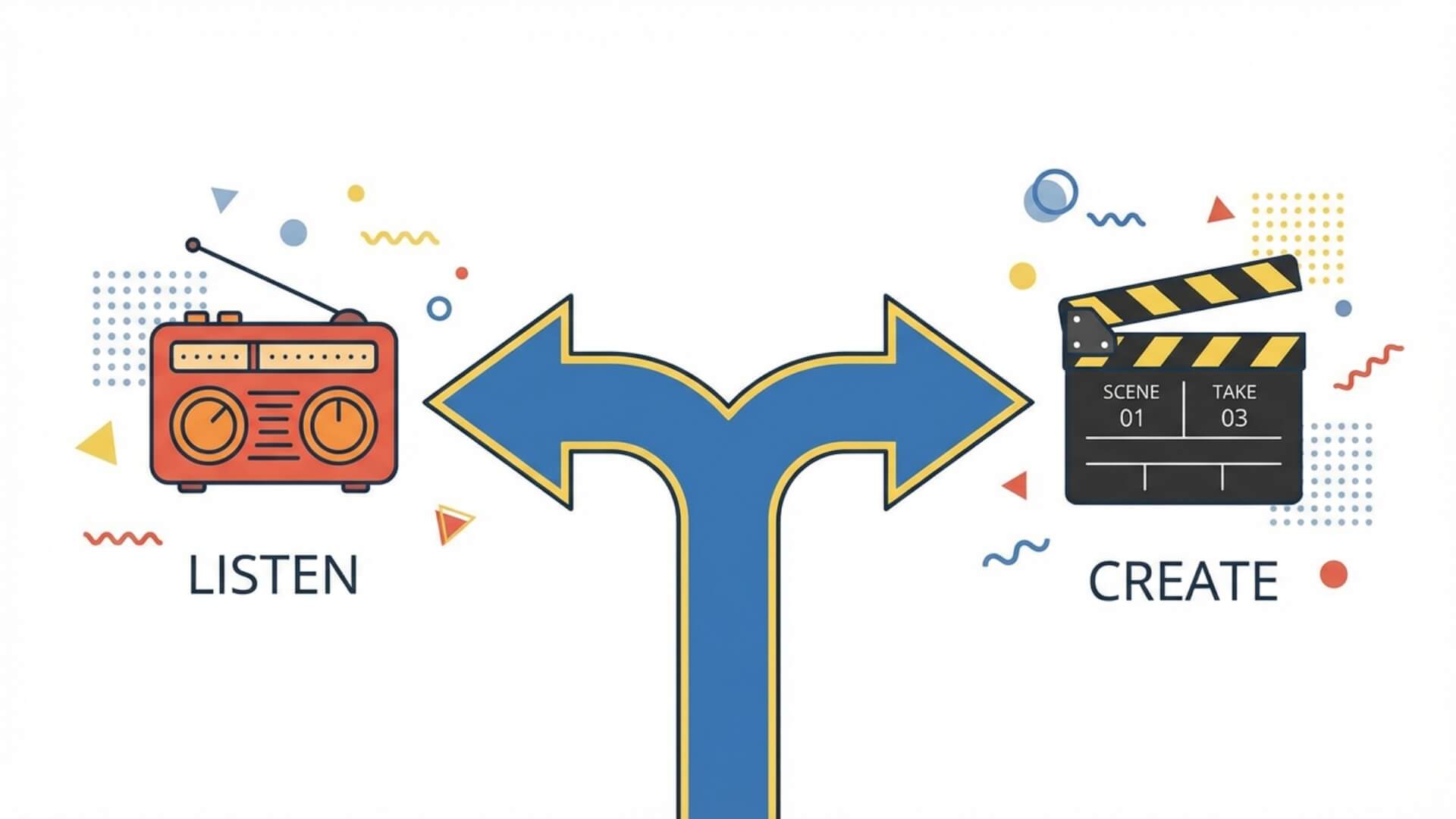
You don’t need to reinvent the wheel. Most successful podcasts use one of two formats.
Choose the one that fits your personality.
1. The "Standard" Intro
This is the classic approach. It is safe, reliable, and professional.
Here is how it flows:
- Music fades in.
- You say hello and introduce the show.
- You explain what today's episode is about.
This style is best for beginners who want consistency. It takes the pressure off. You don't have to hunt for a perfect clip every week; you just follow your routine. Your listeners will feel comfortable because they know exactly what to expect.
2. The "Cold Open" (The Teaser)
Want to grab attention immediately? Try a "Cold Open."
Think of this like a movie trailer. You find a funny, shocking, or powerful specific moment from the middle of your recording and play it first.
Here is the flow:
- Play a 10-second highlight clip (The hook).
- Play your theme music.
- Start the show.
This strategy creates curiosity. The listener hears the clip and thinks, "Wait, why did they say that?" They have to keep listening to get the full story. If your guest says something wild, put it right at the front.
Once you choose your style, you need to know exactly what to say. Let’s look at some fill-in-the-blank scripts.
Steal These Scripts (Templates for Beginners)
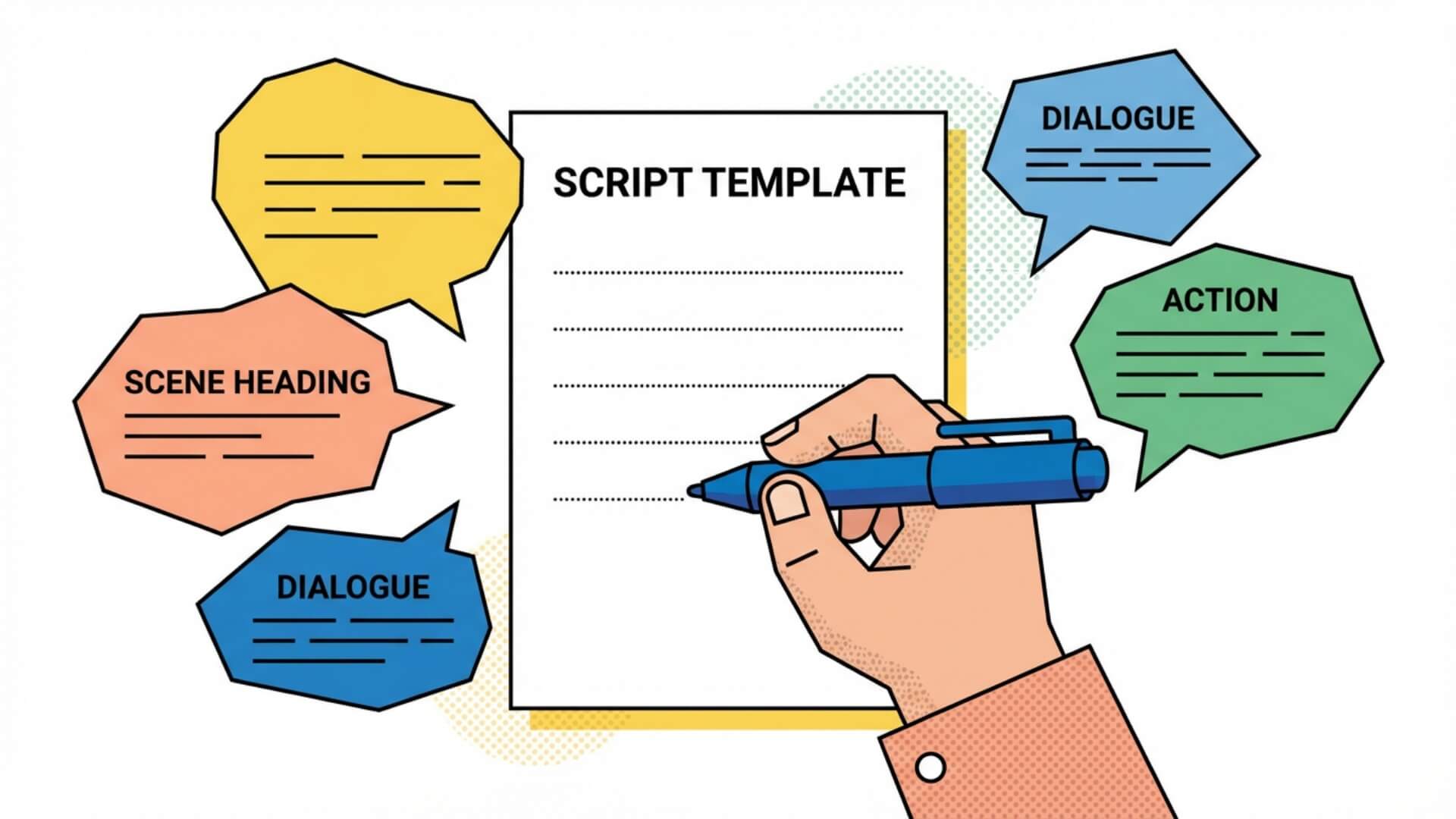
Writing from scratch can feel awkward. You stare at the page and don't know where to start.
Don't overthink it. Use these templates to get comfortable. You can always change them later.
The Solo Episode Script
Use this when it is just you talking. It focuses heavily on the problem you are solving for the listener.
The Template:
"Welcome to [Podcast Name]. I am your host, [Your Name].
If you have ever struggled with [The Problem], then this episode is for you.
Today, I am going to show you [The Solution/Key Takeaway]. By the end of this episode, you will be able to [The Benefit].
Let’s get started."
See how fast that was? You identified who you are and why they should care in under 20 seconds.
The Interview Script
Please, do not read your guest's entire biography. Listeners will fall asleep.
Instead, introduce them by explaining why they are interesting.
The Template:
"Welcome back to [Podcast Name]. I am [Your Name].
Today, I am talking with [Guest Name].
They are an expert in [Topic], and they are here to teach us how to [Specific Result]. If you want to improve your [Skill], listen close.
Let's dive in."
Now you have the words. But words are only half the battle. You also need the right sound to back them up, without getting sued.
The "Evergreen" vs. "Fresh" Strategy
Should you record a brand new intro every single week? Or should you record it once and reuse it forever?
This confuses a lot of new podcasters. Let’s break it down.
The "Baked-in" Intro (Evergreen)
This is a generic recording you use every time.
- Example: "Welcome to the Cooking Show. I am your host, Chef Mike."
- Pro: You never have to record it again.
- Con: It doesn't tell the listener what today's episode is about.
The "Fresh" Intro
This is recorded specifically for the new episode.
- Example: "Today on the Cooking Show, we are grilling steaks."
- Pro: It is highly relevant and engaging.
- Con: It is more work.
My Recommendation: The Hybrid Approach
Don't choose one. Do both.
- Make a 10-second "Show Intro." This has your music and the podcast name. Save this file and use it every week.
- Record a quick "Episode Intro." Right after the music fades, say one or two sentences about today's specific topic.
This gives you the best of both worlds. You get the professional consistency of a saved file, but you still tell the listener exactly what they are getting today.
Now that the strategy is set, let's find the music to back it up, without getting sued.
Where to Find Good Intro Music
Music makes your show feel professional. But don't just grab an MP3 from your phone. That is a dangerous game.
Royalty-Free vs. Copyrighted
Warning: Do not use your favorite pop song.
It doesn’t matter if you only use 10 seconds of it. If you use a famous song without permission, your podcast will be removed. You can read Spotify’s Music Policy for Podcasters to see exactly why they reject episodes with unlicensed music. In worst-case scenarios, you could get sued.
You need Royalty-Free music.
This does not always mean the music is free ($0). It means you purchase the license one time, and you are free to use it forever. You do not have to pay "royalties" every time someone plays your episode. It is safe, legal, and stress-free.
Best Places to Look
You don't need a record label to find great tracks. Here are the best places to start:
- YouTube Audio Library (Free): This is a goldmine for beginners. It is located inside the YouTube Studio dashboard. You can search by genre (Rock, Pop, Jazz) or mood (Happy, Dark, Dramatic). It costs nothing.
- Pixabay Music (Free): Another excellent free resource. They have thousands of high-quality tracks that are safe to use.
- Epidemic Sound (Paid): If you are willing to spend a little money, look here. The quality is incredibly high, and the search tools are amazing. It requires a monthly subscription, but many pros swear by it.
Still haven't found the perfect sound? These are just my top 3 picks. I put together a massive collection of other resources in my full guide on Royalty-Free Music for Podcasts: The Ultimate Guide with 18 Top Sites. Go check that out if you need more variety.
Now you have the script and the music. But be careful, even with the right tools, you can still mess this up. Let's look at the traps you need to avoid.
How to Mix Your Music and Voice (Audio Ducking)
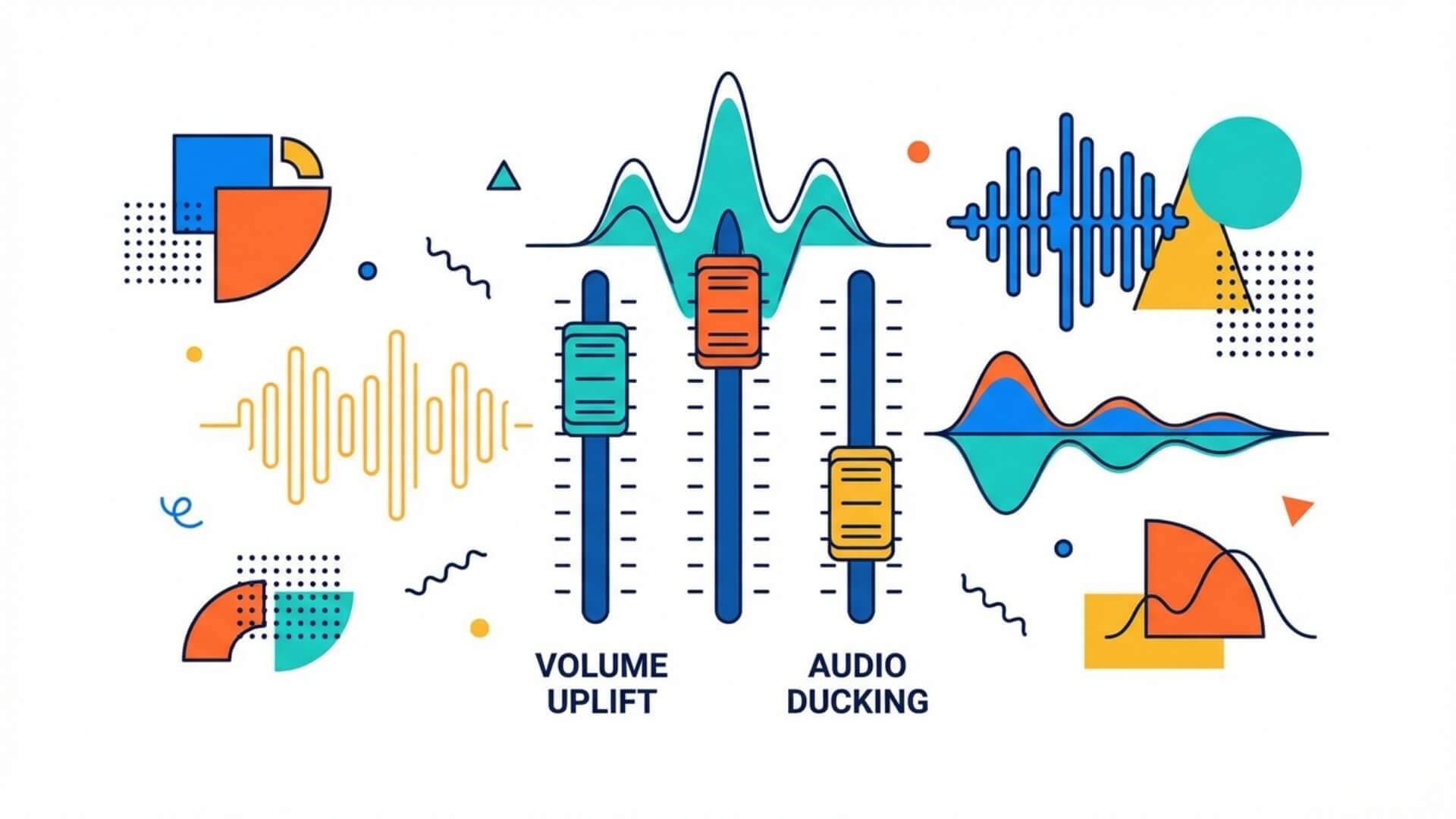
Most beginners mess this up. They blast the theme music at 100% volume and try to scream over it.
The result? A messy noise that hurts to listen to. If people can't hear you clearly, they will leave.
You need a technique called Audio Ducking.
Competitor articles tell you to "use music," but they rarely tell you how. Ducking simply means lowering the volume of one track so another can be heard. Think of it like a respectful conversation: when you speak, the music should shut up.
Here is the precise rule:
- Solo Music: When the music plays by itself, it can be loud.
- Voice Over: The second you start speaking, the music volume should drop (or "duck") way down. Aim for -20dB or lower.
- The Check: If you have to squint to hear your voice, the music is still too loud.
When you stop talking, the music can swell back up. But while you are speaking, your voice must always win the volume war.
Your audio sounds good on your computer now. But does it work in the real world? There is only one way to find out.
The "Grocery Store" Test
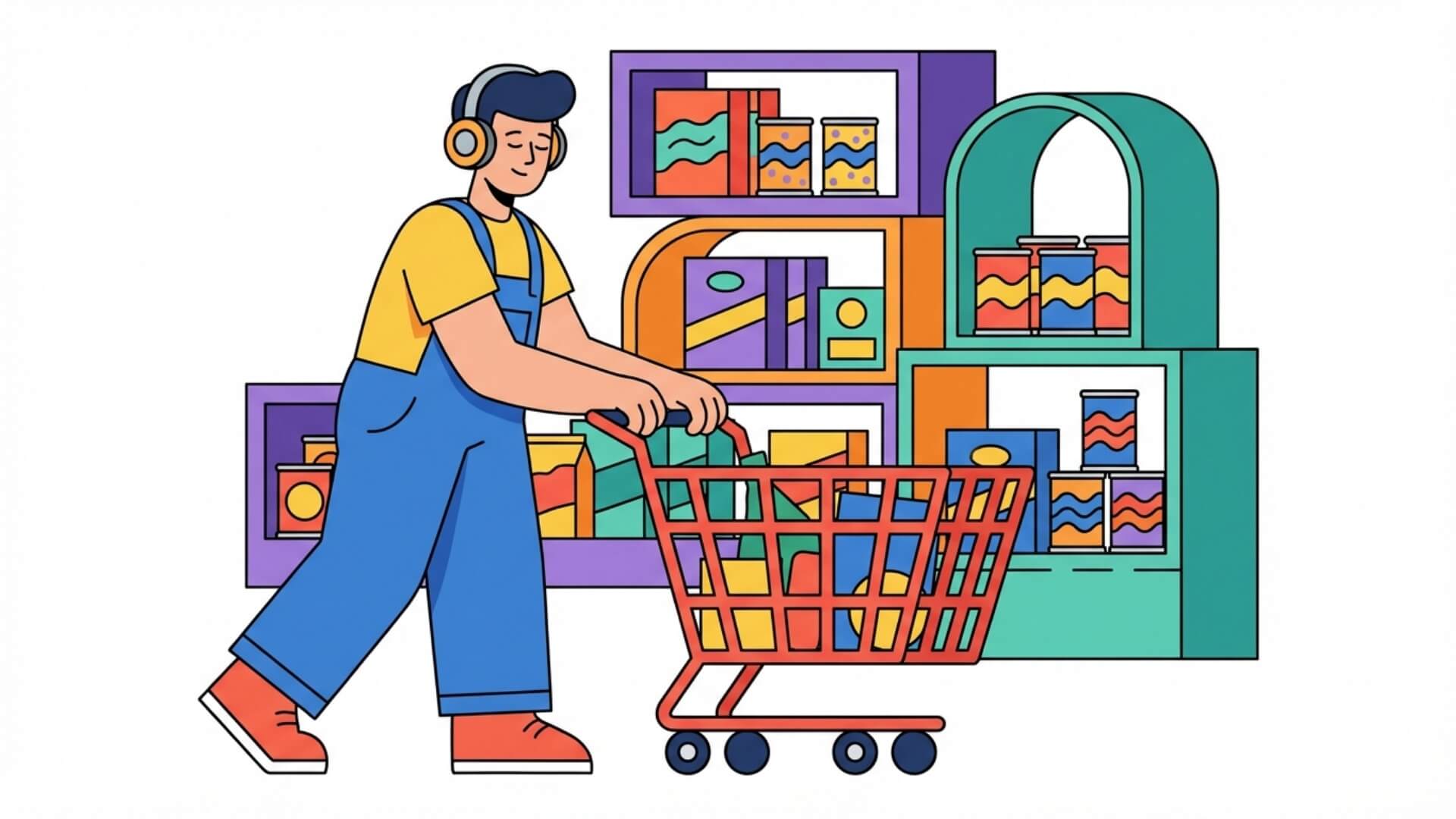
You love your intro. You wrote it. You recorded it. But you are biased.
You are likely listening to it in a quiet room with full focus. That is not how your audience listens. They are driving, working out, or folding laundry. They are distracted.
You need to know if your intro works in the real world. You need the Grocery Store Test.
How to do it:
- Put your podcast intro on your phone.
- Put your headphones on.
- Go do something busy. Wash the dishes. Walk the dog. Go grocery shopping.
The Result:
Pay attention to your brain. Did the intro force you to listen? Did it demand your attention?
Or did it just fade into background noise while you looked at cereal boxes?
If you found yourself zoning out before the actual episode started, you have a problem. Your intro is too long or too boring.
The fix is simple: Cut it in half.
If you pass this test, you are nearly ready. Let’s skip the final few traps that catch beginners.
5 Mistakes That Ruin Podcast Intros
You can have the best script and the best music, but if you make these mistakes, you will lose your audience. Avoid these common traps.
1. Making it Too Long
Respect your listener's time.
If your intro drags on for two minutes, people will assume the rest of the episode is boring, too. They will click "Next."
Rule of thumb: specific, punchy, and under 30 seconds. Get in, make your point, and get started.
I learned this the hard way. Early in my podcasting career, I recorded a cinematic, 90-second intro explaining my entire life story. I loved it, but the data showed my listeners didn't. When I looked at my analytics, I saw a huge drop-off right at the 60-second mark. I cut the intro down to 15 seconds, and my audience retention jumped immediately.
2. The "Inside Joke" Trap
It is fun to banter with your co-host. But be careful.
If you spend the first five minutes laughing about a joke from three episodes ago, a new listener will feel left out. It makes them feel like they walked into a party where they don't know anyone. They will leave. Keep the intro welcoming to strangers.
3. Reading a Long Bio
This is a classic rookie mistake.
Your listener clicked the episode to solve a problem, not to hear a resume. They do not care where your guest went to college in 1998. They do not care about their first three job titles.
Skip the credentials. Focus on what they are going to teach us today.
4. Listing Too Many Housekeeping Items
"Please rate, review, subscribe, join our Patreon, sign up for the newsletter, and follow me on Twitter!"
Stop. It is too much homework.
If you ask for five things before you give any value, people will tune out. Give them the content first. Save the "asks" for later.
5. Inconsistent Volume
Nothing is worse than loud music blasting your eardrums, followed by a whisper-quiet voice.
If your listener has to reach for the volume knob, you failed. Music and voice levels need to match. If your music is loud, simple turn it down before you export.
Now that you know how to start your show smoothly, let's talk about the right way to end it.
Don't Forget the Outro (How to Say Goodbye)
Your intro hooks them. Your outro releases them.
You don't need a long speech. In fact, if you ramble at the end, people will stop listening before the specific call to action you want them to hear.
Keep it simple. You just need to do three things:
- Thank them. They gave you their time. That is valuable.
- Give ONE Call to Action (CTA). Do not ask for five favors. Pick one thing. Ask them to "follow the show" or "share with a friend." If you ask for everything, you get nothing.
- Play music out. Bring your theme music back up and fade to silence.
That’s it. You are done.
Now, let’s tackle some of the "hidden" questions that trip up beginners, starting with a strategy that will save you hours of editing time.
Conclusion
You now have the roadmap. You know how to write a script that hooks, how to mix your music, and how to avoid the rookie mistakes that send listeners running.
But let’s be honest, reading about podcasting is easier than actually doing it. Setting up microphones, recording multiple takes to get the perfect tone, and editing audio layers can feel overwhelming.
If you have great content ideas but want to skip the technical headache, you might want to satisfy your curiosity with AIPodify.
It is a tool designed to turn your text, documents, blog posts, or even YouTube links into high-quality, downloadable podcast audio. You simply feed it your content, and it generates the episode for you. It’s a great way to turn your existing writing into audio without buying expensive gear or spending hours in editing software.
Whether you record it yourself or generate it with AI, the most important thing is to just start. Your audience is waiting.
Go hit record (or upload).

How to Cite a Podcast Correctly to Build Trust (From APA/MLA Styles to Social Media Sharing)
You hear a brilliant quote on a podcast. How do you credit it? Do you just drop a link? Do you need a formal bibliography?
How Long Should a Podcast Episode Be for New Creators?
You asked a simple question: "How long should my podcast be?" If you Google this, you usually get the same lazy answer: "It depends." That is incredibly annoying. So, let’s be direct. While there are no strict rules, there is a sweet spot for beginners: 20 to 40 minutes.