
How to Write a Compelling Podcast Script: A Step-by-Step Guide
You hit record, ready to speak your mind, and then... your mind goes blank. Or you finish recording only to find your thoughts are all over the place.
These are common problems for podcasters. Among all the podcasts that have been created, approximately 50% of them stopped being updated before the release of episode 11. This indicates that many creators encounter a bottleneck in content creation that is difficult to sustain at an early stage, and the lack of a reliable script and content planning is often one of the key reasons for this phenomenon. It's a sign. Your podcast needs more than good gear and a nice voice. It needs a solid script—one that connects emotion with logic.
For beginners, starting a podcast script can be tough. If a script is too detailed, it feels fake. The content sounds unnatural. If there's not enough script, it relies heavily on your ability to improvise. A great script is the soul of a podcast. If the script isn't compelling, neither will your podcast be.
So, how do you create a great podcast script? How do you use natural language for the best effect? This guide will walk you through it. We'll cover how to start, what makes a script good, and ease those beginner anxieties about scripting.
Podcast Scripting : Core Structures & Adaptable Templates
Your Podcast's Blueprint: Why a Script is Your Secret Weapon
Many new podcasters prefer to wing it. They think it keeps things natural. But in practice, going in unprepared often leads to messy structure and poor delivery. This is especially true for content-heavy, informative shows.
In reality, a professional podcast script is a content framework. It maps out your narrative flow and key points beforehand. This structure reduces pressure during recording. It also helps listeners understand and stay engaged better.
A well-designed script doesn't kill spontaneity. Instead, it uses smart transitions and planned pauses. This leaves just the right amount of room for natural improvisation. This kind of freedom within a framework keeps things professional yet conversational. It boosts both your efficiency and your quality.
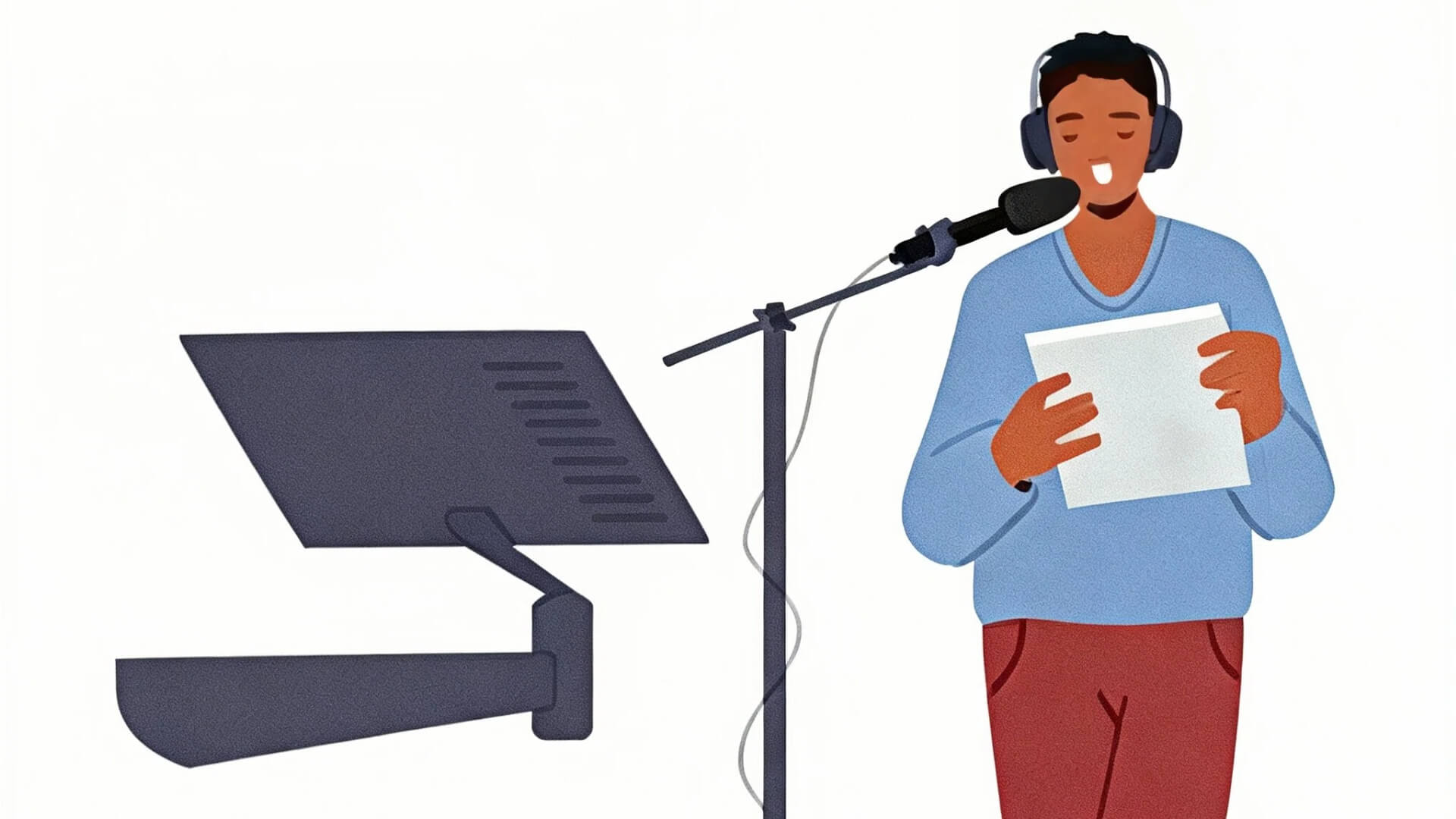
Types of Podcast Scripts Explained
Choosing the right script style is key for quality content. There are three main types, each for different needs and scenarios:
- Word-for-Word Scripts are best for dense, precise content. Think academic topics or news analysis. These require writing every single word, even noting pauses. They prevent mistakes and ensure tight logic. The downside? You need strong delivery skills, or it can sound stiff.
- Outline Scripts work better for conversations or interviews. They're built from keywords, question lists, and bullet points. They give the host a clear framework but plenty of room to improvise. This balances structure with a natural chatty feel. It's ideal for shows with guests or co-hosts.
- Hybrid Scripts mix the best of both. They use a full script for core content and bullet points for transitions and banter. This flexible approach is great for narrative podcasts. It ensures key points land accurately while keeping the story lively. For beginners, starting with a hybrid script is often the easiest way to find your voice.

Writing the Perfect Script for Your Podcast Format
For a great podcast, tailor your script's structure to your show's format. Here are the key points for three popular types:
- Solo/Monologue Shows (like educational or story podcasts) need a full textual structure. The script should have precise wording and strict timing. Mark where to explain terms, add examples, and change tone. This ensures complex ideas are clear and the pacing is right.
- Interview Shows rely on a strong question framework. The host prepares a structured list of questions with flexible follow-up paths. A professional interview outline often uses a "Core-Branch" model: set main topics as the core, then add 3-5 sub-topics, each with 2-3 guiding questions. This keeps the chat logical but spontaneous.
- Co-hosted/Roundtable Shows need a clear agenda. The script should set the topic order, speaking turns, and transition rules. Define how long to spend on each point, note when each speaker makes their key argument, and mark when the host should step in. This keeps multi-person conversations organized.
Successful podcasters often use a dynamic script strategy. For example, adjusting question order based on an interviewee's answers, or stretching/shortening discussion segments based on engagement. This method combines solid preparation with flexible execution. It delivers depth without sacrificing the magic of live conversation.

Key Podcast Script Elements
A professional podcast script is built from key components, each with a specific job and best practices:
- The Hook: Your first impression. Grab attention within 15 seconds. Use a "Value Promise + Shared Experience" frame. Example:
"Feeling overwhelmed by endless information but remembering none of it? [Shared Experience]. This episode will teach you three scientific methods to improve your memory [Value Promise]."This builds connection and states the value clearly. - Transitions: These smoothly connect different segments. An effective transition follows an "Acknowledge-Preview" structure. Example:
"Now we understand the basic theory [Acknowledge], let's see it applied in real life [Preview]. The third example might just surprise you [Tease]."This keeps the flow smooth and maintains interest. - Ad Integrations: Blend sponsorships with content seamlessly. Use a "Context Bridge + Value Link" model. Example, when discussing productivity:
"Managing focus, like we just talked about, often comes down to using the right tools. For instance, X app, which I use, has a focus timer that solves the distraction problem we mentioned..."This feels natural and makes the ad more credible. - The Outro: This should summarize the content and connect with the listener. A strong outro uses a "Recap + Call-to-Action (CTA) + Connection" frame. Example:
"Today we covered methods A, B, and C [Recap]. Try one of them this week [CTA]. Let me know how it goes in the comments, and I'll see you next time [Connection]."
These elements form the skeleton of a pro-level podcast. Remember, a great script serves the content. Learn the basics, then adapt them to your unique style and subject matter to develop your signature sound.

Creating Your Podcast Script Step-by-Step
Step 1: Define Your Podcast’s Goal and Target Audience
Before you write a single word, get clear on your goal. Are you educating, entertaining, or promoting a brand? You also need to know who you're talking to. A great method is to create a "listener persona." Imagine your ideal listener. Who are they? What are their struggles? For example, a successful time-management podcast targets busy young professionals. All its content tackles their specific "feeling overwhelmed" pain points.
Step 2: Choose Your Scripting Approach
Next, pick the script format that fits you and your show. If you need to control every word, like in a detailed science show, a word-for-word script is for you. If you want a natural, chatty flow, like in many interview shows, a flexible outline works better. A hybrid script offers the best of both worlds. Ask yourself: Do I often go off-topic? Do I get nervous and forget my points? Your answers will guide you to the right format. Top-tier narrative podcasts often use hybrid scripts to control pacing while keeping details precise.
Step 3: Create a Solid Outline & Structure
With a direction in mind, build a solid outline. This outline is your blueprint. It ensures your content is organized and flows logically. A classic method is the "Three-Act Structure": Act I sets the scene and problem, Act II develops the core content, and Act III provides the solution and conclusion. Flesh out the key points for each part and allocate time wisely. Avoid a long, rambling start or a rushed ending. Analyze popular podcasts; you'll find they all have a strong, well-designed structure. This is key for listener engagement.
Step 4: Write the Introduction That Hooks
Your hook is your one chance to grab the listener. You have about 30 seconds to create intrigue. A successful hook often uses one of these: a relatable question, a compelling mini-story, or a surprising statement. For instance, a business podcast might start: "Have you ever calculated how much of your paid time is wasted in pointless meetings?" This instantly grabs the target listener. Don't forget to use fitting intro music or sound effects to set the mood and strengthen that first impression.
Step 5: Developing the Main Content
The golden rule for the main content is "Write for the ear." Imagine you're explaining this to a friend. Use everyday, conversational language. Break complex ideas into small, digestible chunks. To maintain a natural pace while recording, add direct cues to your script. Mark (Pause) before an important sentence, or (Emphasize this) after a key concept. Look at great educational podcasts. They turn difficult theories into relatable stories and concrete examples. That's "writing for the ear" done right.
Step 6: Plan Effective Transitions & Segues
Smooth transitions are the invisible glue holding your listener's attention. Abruptly switching topics feels jarring and can lose people. Effective transitions use: a bridging keyword, a question that links two ideas, or a short sound effect. Keep it natural. For example: "Now that we know why this happens, the next logical question is: how do we fix it? Here are three practical ways..." Many narrative podcasts are masters of this, seamlessly moving listeners from one scene to the next.
Step 7: Writing a Memorable Outro
A strong ending needs three things: a concise summary of the core ideas, a genuine thank you to your audience, and a clear, strong Call-to-Action (CTA). The CTA builds an ongoing relationship with your listeners. Whether it's "Get the show notes at our website" or "Subscribe so you don't miss next week's episode," keep it simple and direct. Data shows podcasts with a single, clear CTA in the outro see significantly better subscription and engagement rates.
Step 8: Revise, Practice, and Polish
Finally, remember: great scripts are rewritten and rehearsed. After your first draft, edit relentlessly. Simplify the language. Cut any fluff or awkward phrasing. Then, the most crucial step: read it out loud. Even record yourself. By listening, you'll spot sentences that look fine on paper but sound wrong when spoken. Statistics and experience show that just this one step—multiple rehearsal readings—dramatically improves recording fluency and natural delivery. It's the magic step that turns text into a living, breathing performance.
Beyond Theory: Scripting Techniques Real Podcasters Actually Use
1. The "Topic Roadmap" for Conversational Shows
This isn't a word-for-word script. It's a navigation map for your chat. It looks something like this:
Intro:
- Music (15 sec)
- A: "I really want to talk about that XX news story. Did you guys see it?"
- B: "I was just thinking the same! Actually, that..."

Main Topics (40 min):
1. First Impressions
   - Lead-in: What was your gut reaction?
   - Time: ~5 min

2. The Real Reasons
   - Key Point: Probably linked to the XX trend...
   - Data point C will share: That survey report...
   - Time: ~15 min

3. What It Means For Us
   - Lead-in: So what should we do about it?
   - Prepared case study: Like what happened to Xiao Li...
   - Time: ~20 min

Outro:
- Summary: So basically, the thing is...
- Tease next episode: Next week, we're tackling another related topic...
- Music out
This map-style script keeps you on track but leaves room to improvise. Most conversational hosts I know use some form of this roadmap. The only difference is how detailed they make it.
2. The "Scene Link" for Narrative Shows
If you're making a story-driven podcast, your script is more like a film storyboard:
[SFX: City ambience, a car passes]
Narrator: It was 10 PM. Zhang Ming was still in the office. He had no idea his decision would change everything...

[SFX: Keyboard typing stops abruptly, chair swivels]
Narrator: Just as he went to save the document, his screen went black.

[Music: Suspenseful sting]
Narrator: At first, he thought it was a power cut. Until he saw the lights in the building across the street were still on...
See the key? Write your sound cues like director's notes. Write your narration like you're describing a scene. When you write this way, you're already "hearing" the final product in your head.
3. The "Thought Notes" for Knowledge-Based Shows
This style is perfect for explaining complex ideas clearly:
Topic: Why We Procrastinate

[Handwritten-note style intro]
"Okay, let's talk procrastination. Not the usual time-management tips—you're tired of those. Let's start with how our brains trick us..."

[Core Framework]
1. The Problem: "It's important, so why can't I start?"
   - My own example: I put off a report for 3 weeks
   - The science: How dopamine makes us feel good when we avoid tasks

2. The Twist: "But guess what? Procrastination isn't all bad."
   - Research: A little delay can boost creativity
   - Case: That author who always misses deadlines but writes better

3. The Solution: "How to make procrastination work for you?"
   - Two counter-intuitive methods...
Scripted knowledge content can sound dry. This note-style approach keeps the delivery rhythmic and authentic.
Suggestions
Don't chase the perfect script—it doesn't exist. My advice: first, define your podcast's format. Then, pick one of the approaches above and start writing.
As you write, remember to:
- Read it aloud and fix any awkward phrasing.
- Mark
(Pause)where you naturally want to stop. - Mark
(Emphasize)for important points. - Accept that the script is just a starting point. You will improvise during the real recording.
The best script is the one that doesn't sound like a script at all.

Scriptwriting Tools for Your Podcast
Looking for the right tool to write your podcast script? Here are some top contenders from different categories. They each have their strengths. One will likely fit your creative rhythm.
1. The Team Player: Google Docs
When you need to collaborate with a co-host or guest, Google Docs is hard to beat. Its superpower is seamless collaboration. Share a single link, and everyone can edit, comment, and suggest in real-time. All changes are saved automatically and tracked. Using it for scriptwriting makes the whole feedback process clear and efficient. It's ideal for team projects.
2. The Game-Changer: Descript
If you're tired of the "write, then record, then spend hours editing" grind, Descript will feel like magic. It flips the process by letting you edit audio by editing text. It's a unique approach: you write your script, record directly in it, and if you mess up a sentence, you just delete the text—and the audio is cut too. This deep integration of writing and editing is a huge efficiency boost for solo creators or small teams.
3. The Focus Zone: iA Writer
Sometimes, too many features just distract. If you just need a clean, quiet space to focus on your words, iA Writer is perfect. Its minimalist interface and clean fonts let you concentrate purely on your writing. Its "Focus Mode" highlights the current line or paragraph, guiding your attention. It's great for polishing the logic and flow of your monologue.
4. The Creative Co-Pilot: AIpodify
This acts more like a creative partner than a simple text editor. Staring at a blank page? AIpodify can help generate a script draft. Have an outline? It can flesh it out and polish the language. It can even generate audio directly from your script using a variety of AI voices.
Conclusion
Writing a great podcast script is more than just putting words on a page. It's about building a clear framework for your voice. The key is balancing solid structure with natural delivery. A good script eases recording anxiety, makes editing faster, and gives your audience a clear, enjoyable listening experience.
But remember, a script shouldn't be a straitjacket. Whether you use a dedicated script app or an AI helper, these tools are there to support your creativity, not replace it. Use the script as your foundation. Be brave and write that first draft. You will develop your own unique podcasting style.

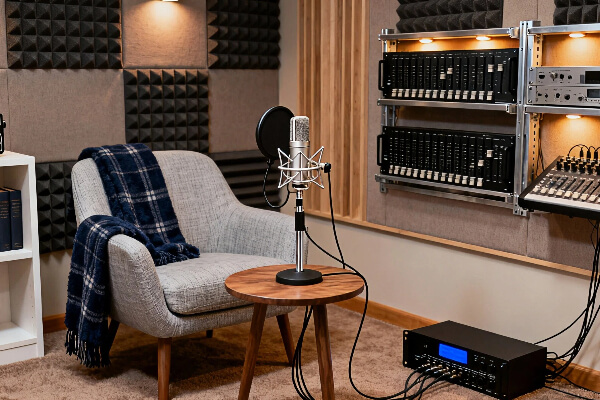
Step-by-Step: How to Set Up a Professional Podcast Studio
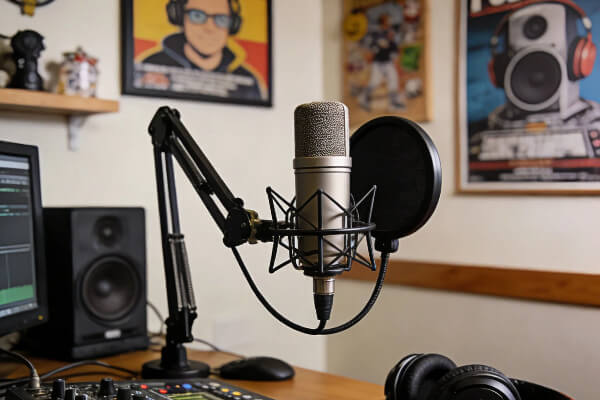
Thinking of launching a podcast? Awesome! But to stand out in a booming market, you need pro-level audio. A dedicated home studio isn't a luxury—it's your key to building audience trust and a quality show. Most beginners face three core challenges. First, gear confusion: with endless mics and interfaces, where do you even start? Second, ignoring room acoustics: even the best mic will pick up echoes in an untreated space. Finally, budget imbalance: it's tough to know where to splurge for the best sound.
How to Start and Grow a Successful Podcast in 2026: The Ultimate Actionable Guide
The number of podcasts keeps growing. It might seem like a blue ocean of opportunity, but once you start, you realize the competition is fiercer than imagined. Many shows vanish before even hitting 7 episodes. Why? People often stumble at the start. Some invest in pro gear but have no content plan. Others focus solely on production but ignore promotion. Some try to go it alone and quickly get overwhelmed by the workload. These issues show many beginners lack clear planning and systematic preparation. That's why we've created this guide. We'll walk you through the key steps to build a successful podcast.