
How Long Should a Podcast Episode Be for New Creators?
You asked a simple question: "How long should my podcast be?" If you Google this, you usually get the same lazy answer: "It depends." That is incredibly annoying. So, let’s be direct. While there are no strict rules, there is a sweet spot for beginners: 20 to 40 minutes.
Your episode length is a creative choice, not a math problem. I have helped countless new podcasters launch their shows, so I know exactly what keeps listeners hitting "Subscribe" instead of "Stop." I learned this the hard way. My first few episodes were 60-minute ramblings without a script. I thought I was being 'authentic,' but my analytics told a brutal story: 80% of my listeners dropped off before the 15-minute mark. In this post, I will share the real data on ideal lengths, how to avoid burnout, and the specific timeframe you should aim for to grow your audience fast.
The Data-Backed "Sweet Spot" (Don't Guess)
The 20 to 40-Minute Rule
If you look at the podcast charts, you will see a clear trend. About 30% of all podcasts fall between 20 and 40 minutes. Why is this the magic number? It fits into our daily lives perfectly. Think about your average morning. The typical commute, a treadmill session, or a sink full of dishes usually takes about 30 minutes.
But there is a technical benefit, too. Algorithms like Apple Podcasts track 'Completion Rate.' If a user finishes 90% of your 20-minute episode, the algorithm sees your show as high-quality and recommends it to others. If they only listen to 10 minutes of your hour-long special, you are signaling to the algorithm that your content is boring.
Listeners love to start an episode when they get in the car and finish it by the time they park. If your show fits that portable window, you easily become a habit.
Why 45 Minutes is the New Hour
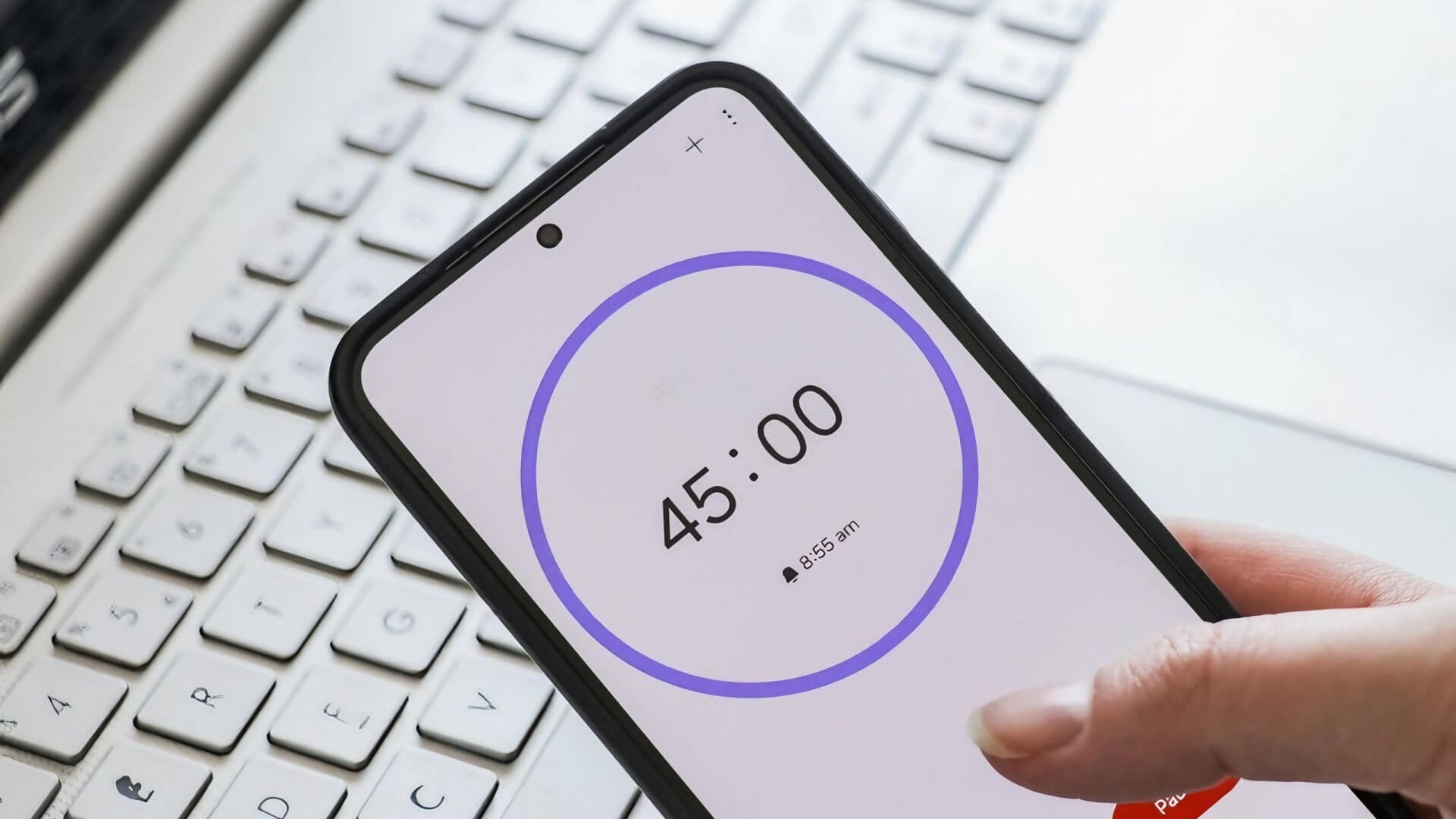
We used to think a "standard" show had to be a full hour like a TV drama, but not anymore. Our attention spans are shrinking. Social media has trained us to want content faster, so 45 minutes is quickly becoming the new limit for many creators. There is also a psychological reason for this. Listeners feel a sense of satisfaction when they finish an episode in one sitting. If your episode is two hours long, they have to pause it multiple times and might forget to come back.
However, data isn't everything. Just because 20 minutes is popular doesn't mean it is right for you. Let's look at the three specific factors that should shape your decision.
3 Factors That Determine Your Ideal Length
Your Format (Solo vs. Interviews)
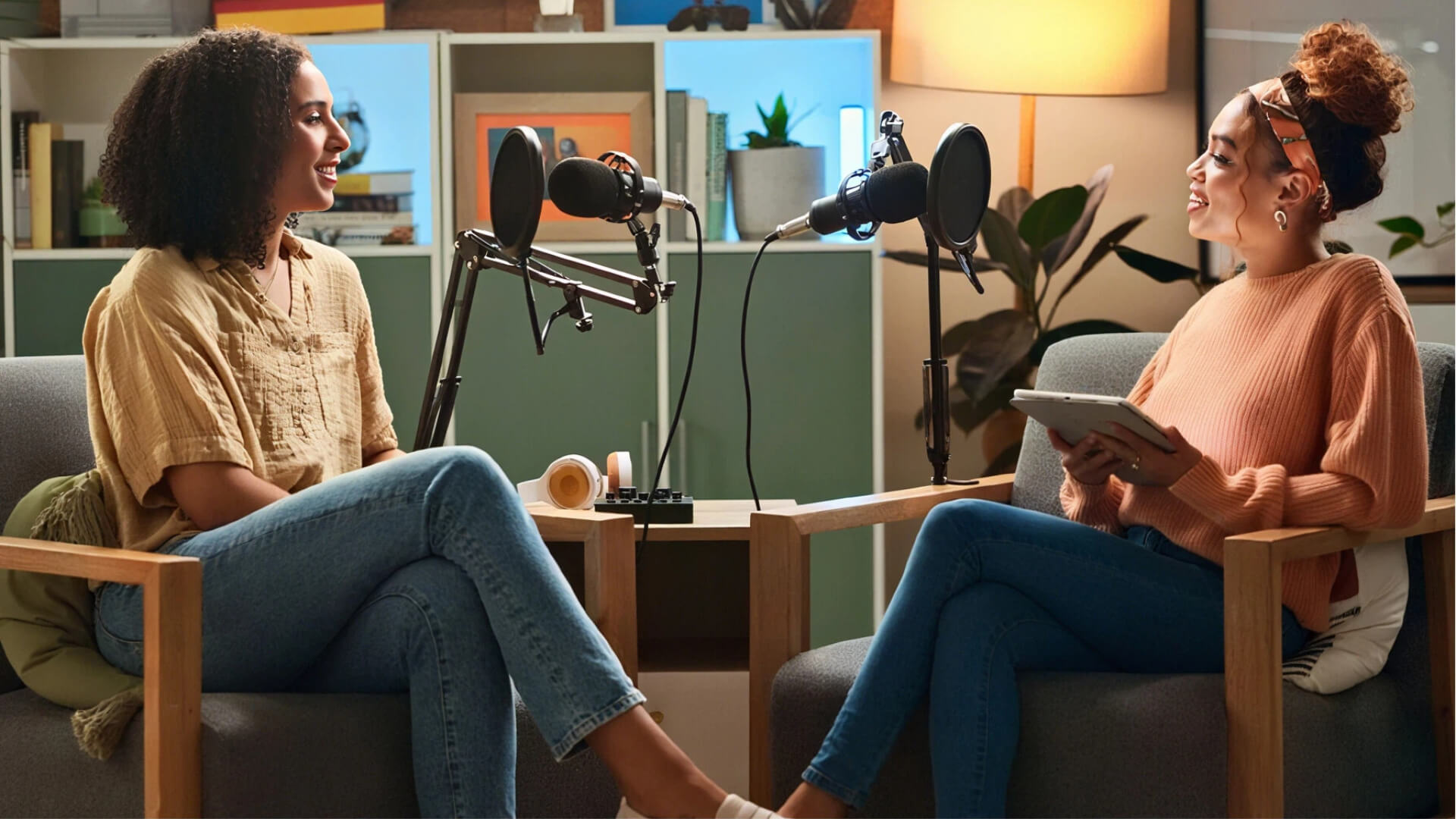
Your podcast style changes everything. If you are flying solo, aim for 10 to 20 minutes. It is surprisingly exhausting to talk to yourself for an hour, and it can be hard for a listener to stay focused on just one voice. I once tried to record a 45-minute solo guide. It took me three hours to record because I kept losing my train of thought, and another four hours to edit out all the awkward pauses. By the end, I hated my own voice.
On the flip side, interviews or co-hosted shows naturally need more room to breathe. You need time for introductions, friendly banter, and digging into stories. A window of 45 to 60 minutes gives you enough space to let the conversation flow without rushing the guest.
To make this easier to visualize, here is a quick breakdown of how format shapes your timeline:
| Podcast Format | Ideal Length | The "Why" (Logic) |
|---|---|---|
| Solo / Monologue | 10 – 20 mins | Hard to hold listener focus with one voice; prevents editing fatigue. |
| Interview / Co-hosted | 45 – 60 mins | Needs room for banter, introductions, and deep-dive questions. |
| Daily Quick Tips | 5 – 10 mins | Listeners want a specific answer quickly; high frequency requires short duration. |
| Narrative / True Crime | 60+ mins | Requires "world-building," setting the scene, and building dramatic tension. |
Your Publishing Schedule

How often are you hitting publish? If you want to post daily, you must keep it entertaining and short—5 to 10 minutes tops. Your listeners likely cannot commit to hearing you for an hour every single day, and you will burn out trying to record that much. Weekly shows are the industry standard. This is where you usually find that 20 to 50-minute range. If you only publish monthly, however, you have permission to go long. Since episodes are rare, fans will treat them like an event and often happily sit through a 60-minute deep dive.
Your Topic Complexity

Finally, look at your actual topic. Are you sharing quick daily news or marketing tips? Get in, deliver the value, and get out. Short episodes win here because the listener generally wants a quick answer. But if you are telling True Crime stories or explaining history, you need time to build the world. Storytelling requires setting the scene and building tension. You cannot rush a complex narrative just to save a few minutes.
The Only Rule That Actually Matters
Don't Bore Us (Kill the Fluff)
This is the most important lesson in podcasting. Never stretch a 10-minute idea into a 30-minute episode just to hit a "standard" length. Listeners can smell filler content a mile away, and they hate it. The opposite is also true. If you are having an amazing, life-changing conversation that runs for 60 minutes, do not delete the best parts just to force it into a 40-minute box. If the content is gold, keep it. Let the quality of your topic decide the clock.
Respect Your Listener’s Time
You are asking for someone's time, which is their most valuable asset. If you bore them, they will leave, and they probably won't come back. Your goal is to edit ruthlessly. Cut the bad jokes. Remove the long pauses. It is always better to have a short, punchy episode than a long, boring one. As the old saying goes, you want to leave them wanting more, not checking their watch.
Does Consistency Matter?
Yes, consistency matters. Humans are creatures of habit. If your listener expects your show to last for their morning dog walk, they want to rely on that. Predictability builds habits. If they know your show fits perfectly into their Tuesday drive, they will tune in every Tuesday.
That doesn't mean you need to hit exactly 30 minutes every single time. A little variation is fine. But do not jump from a quick 10-minute tip one week to a 3-hour marathon the next. That confuses people. Keep it within a reasonable range so your audience knows what they are signing up for when they press play.
Even with these guidelines, there are three "hidden realities" of podcasting that most guides completely ignore. Let's look at the practical side of things.
Length vs. Editing Time
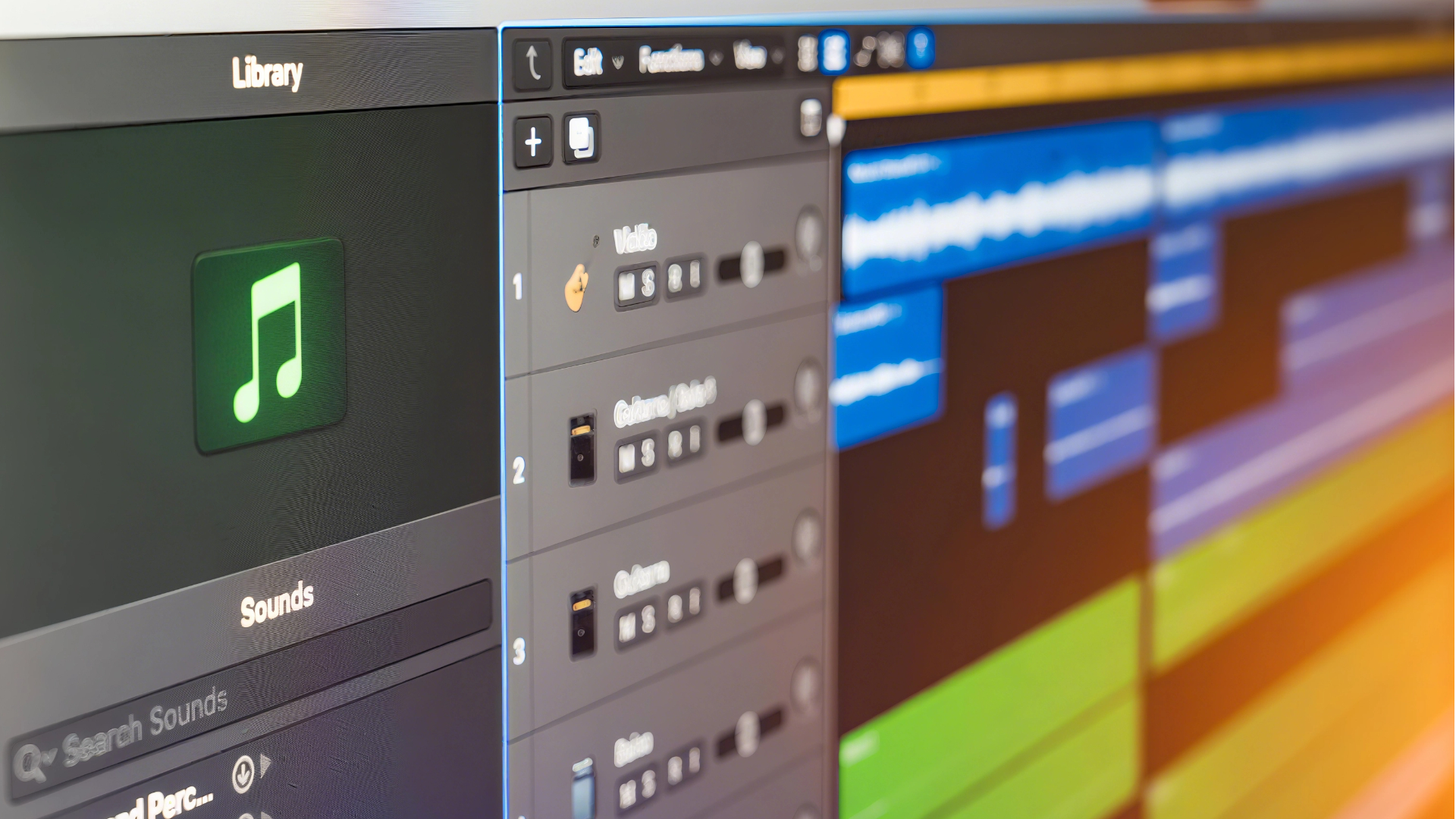
Most articles focus entirely on what the listener wants. But we need to talk about your sanity. Here is a math problem new podcasters eventually learn the hard way: For every 1 minute of audio, you will spend 3 to 4 minutes editing.
That means a "standard" 60-minute interview isn't just an hour of work. It is four hours of grueling production inside your DAW (Digital Audio Workstation). You aren't just cutting silence; you are balancing levels, compressing dynamic range, and fighting specific enemies like audio fatigue—that moment when your ears get so tired you can no longer distinguish good takes from bad ones.
If you are just starting, that technical workload is heavy. This is exactly why so many beginners quit after just seven episodes (we call this "podfading").
Starting with shorter episodes isn't just a creative choice; it is a survival strategy. It forces you to focus on content density—packing maximum value into minimum time—rather than creating hours of "fluff" that require endless editing.
Why Strangers Fear Long Episodes
Most experts forget to mention how length impacts your growth. Imagine you find a new podcast. You have never heard of the host. You look at the latest episode, and it is 2 hours and 15 minutes long. Do you click play?
Probably not. That is a huge time commitment for a stranger. It feels risky.
Now, imagine that same episode is 20 minutes. That feels safe. You can listen on a quick drive to the store. If it’s bad, you didn't waste your whole afternoon. Shorter episodes lower the barrier to entry.
Think of it as a 'sample size.' A new listener is far more likely to binge-listen to three of your 20-minute episodes in a row than one 60-minute giant. This rapid consumption builds trust faster, turning a stranger into a superfan in a single afternoon.
They make it easier for strangers to give you a chance. Once they fall in love with your personality, they will happily listen to your longer episodes later.
The "2x Speed" Secret
Finally, here is a secret that most guides completely miss. They assume everyone listens at normal speed. That is simply not true. Many "power users" consume podcasts at 1.5x or even 2x speed. They want to soak up information as fast as possible.
This is good news for you. It means you do not need to rush your words or speak like an auctioneer. Just be clear and articulate. Because of this feature, your episode length is flexible. A 45-minute interview is actually finished in just 30 minutes by these listeners. You provide the content, and let their app handle the speed.
FAQ: Common Questions on Podcast Length
Is 10 minutes too short?
Not at all. If you have a daily show or a "quick tip" format, 10 minutes is perfect. Listeners feel smart and productive when they finish a short episode quickly.
Can I split a long interview into two parts?
Yes, and you often should. If you recorded a massive two-hour conversation, chop it in half. Release "Part 1" this week and "Part 2" next week. It saves you recording time and keeps the content digestible.
Does length affect monetization?
A little bit. Longer episodes allow for more "mid-roll" ad breaks (ads in the middle of the show). However, advertisers care about download numbers first. A short, popular show makes more money than a long, boring one.
Conclusion
So, what is the final verdict for your new show? There is no law, but there is a smart place to start. For most beginners, aim for 20 to 40 minutes.
This length fits the average commute, limits your editing time, and is low-risk for new listeners. It gives you the best chance to build a habit without burning out.
But what if you want to test these lengths without touching a microphone?
We mentioned earlier that editing can take hours. If you just want to focus on the content instead of technical production, there is a faster way.
You can use AIPodify to instantly turn your existing content into a podcast. Whether it's a blog post, a web link, or a YouTube video, our AI converts your text directly into high-quality, downloadable audio.

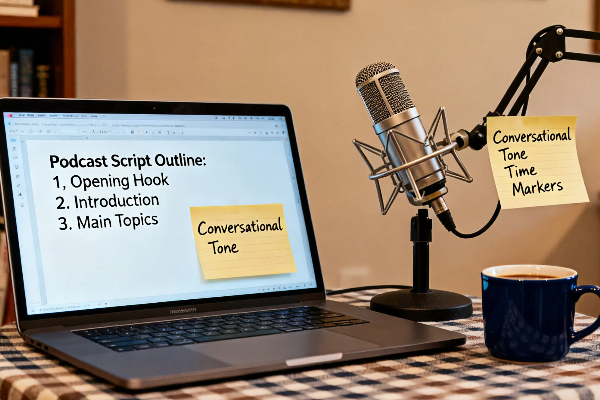
How to Write a Podcast Script: The Complete Guide with Templates
A great podcast script is your secret weapon. It's the roadmap that transforms your ideas into a structured, engaging story, ensuring every moment captivates your audience. Far from just words on a page, a script—whether a detailed manuscript or a simple outline—banishes recording anxiety and streamlines editing, letting you focus on delivering a powerful, professional show.
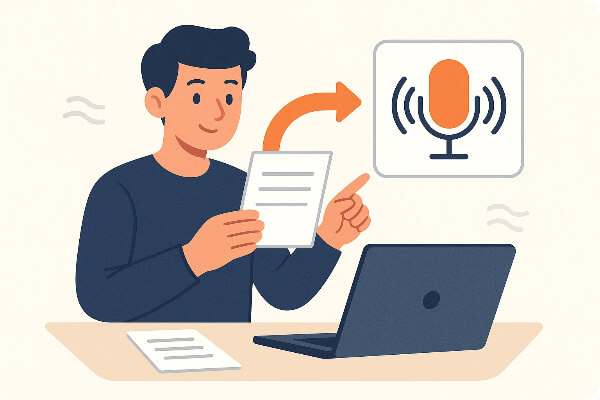
How To Turn Notes Into A Podcast With AIPodify
Have you ever taken valuable notes during work, study sessions, or meetings that you wished more people could see and learn from? In recent years, podcasts have become one of the most popular ways to share ideas and reach new audiences. So why not turn your notes into a podcast?